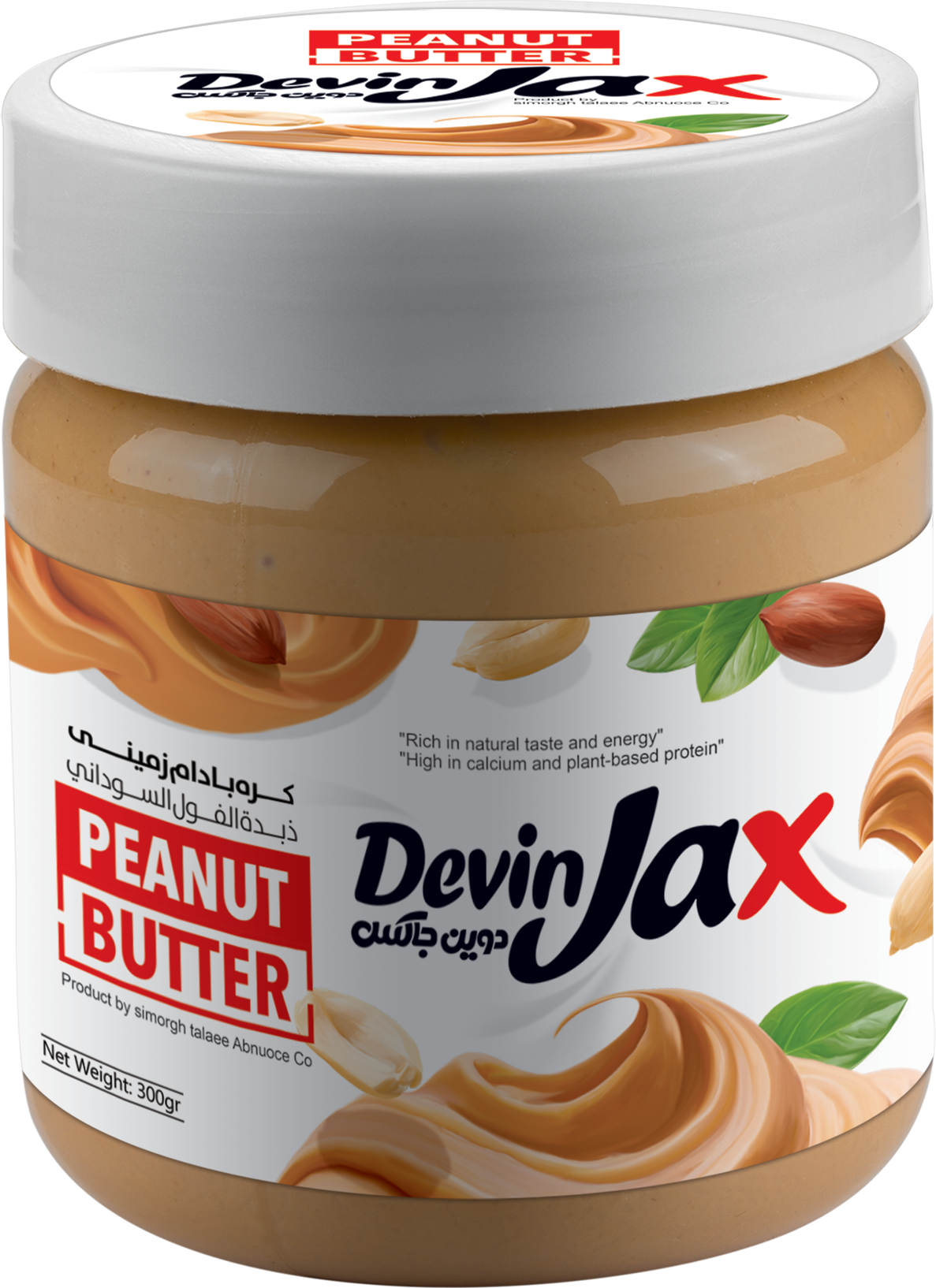

The shorter the ingredient list, the better the product usually is — provided the raw materials are high quality too.
The spreads and nut butter shelf at the store is busier than ever, and nearly every product claims to be natural on its label. But between real sesame cream and an industrial product made mostly of palm oil and sugar, the difference is night and day — in nutrition and in taste. The good news is that spotting the difference does not require advanced skill; you just need to know what to look for on the label.
Six criteria when buying
- Sesame or nuts at the top of the list
- No palm oil
- No glucose syrup
- Clear production date
- Natural texture
- Intact packaging
The most important rule is the order of ingredients: by law, ingredients are listed by weight percentage. If the first item is sugar or vegetable oil, you are essentially buying sweetness, not nut butter. A quality product should be more than 90 percent nuts or sesame; with DevinJax products you see this number clearly on the packaging, and the ingredient list never goes beyond two or three items.
Another simple but smart sign: oil separation on the product. Contrary to common belief, this is not spoilage — it actually shows the product has no industrial emulsifiers or solid fats. Spreads that always stay perfectly uniform usually owe that stability to additives, not quality.
Finally, be realistic about price: making real peanut butter from 100 percent peanuts naturally costs more than a product that is half cheap palm oil. The price difference you pay is exactly the nutritional value you add to your family's table.
From DevinJax
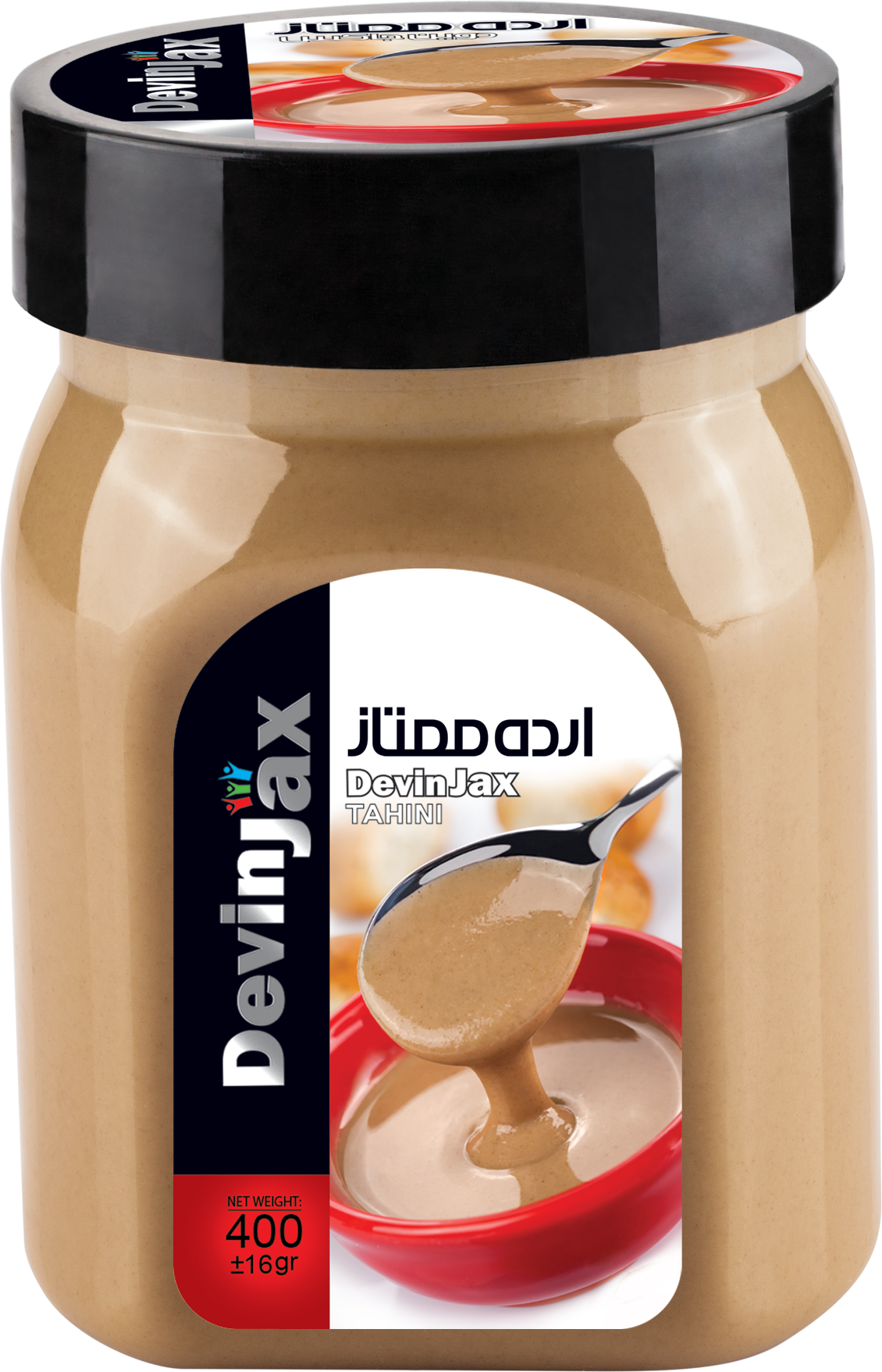
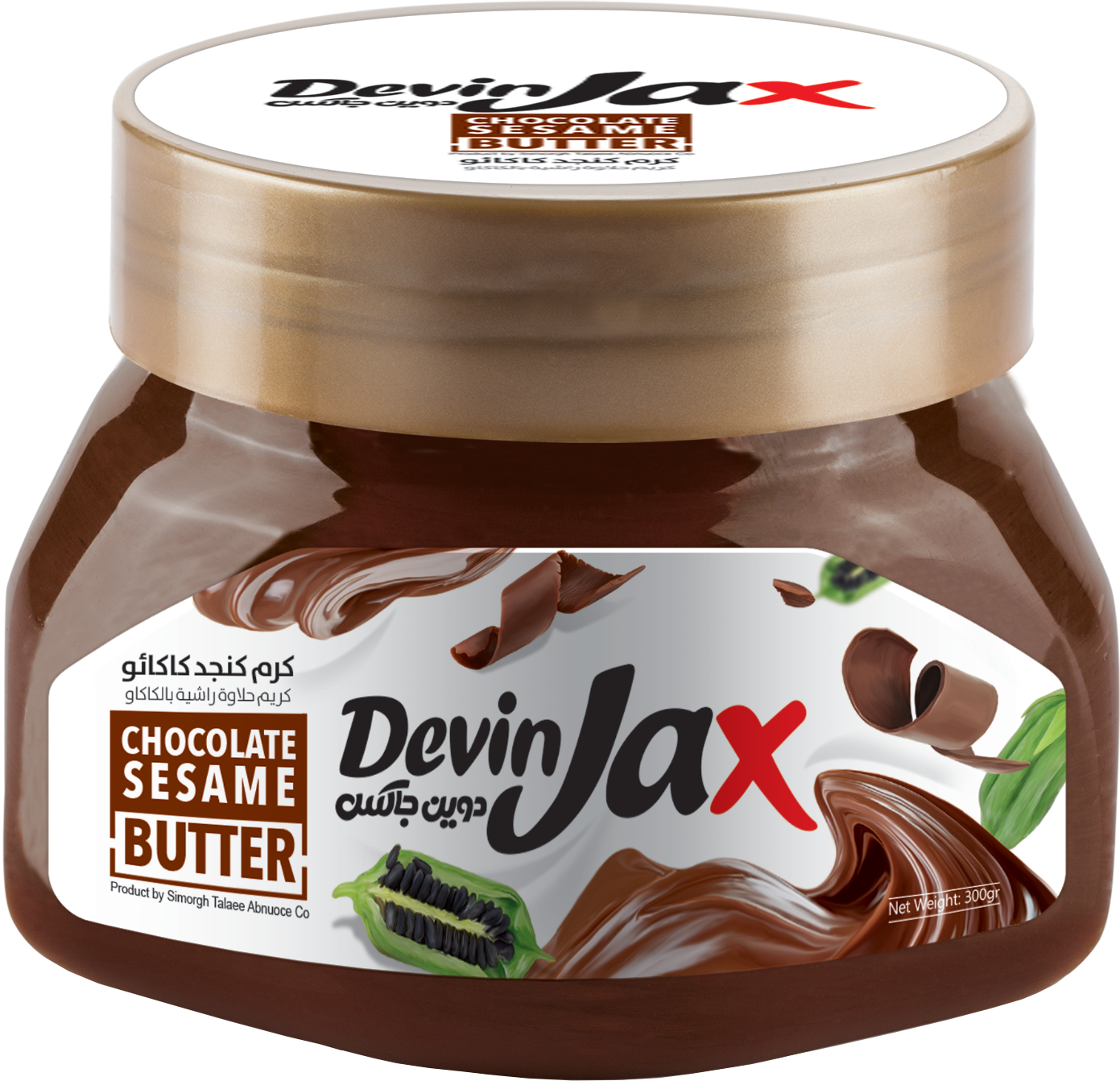
Recommended DevinJax Products
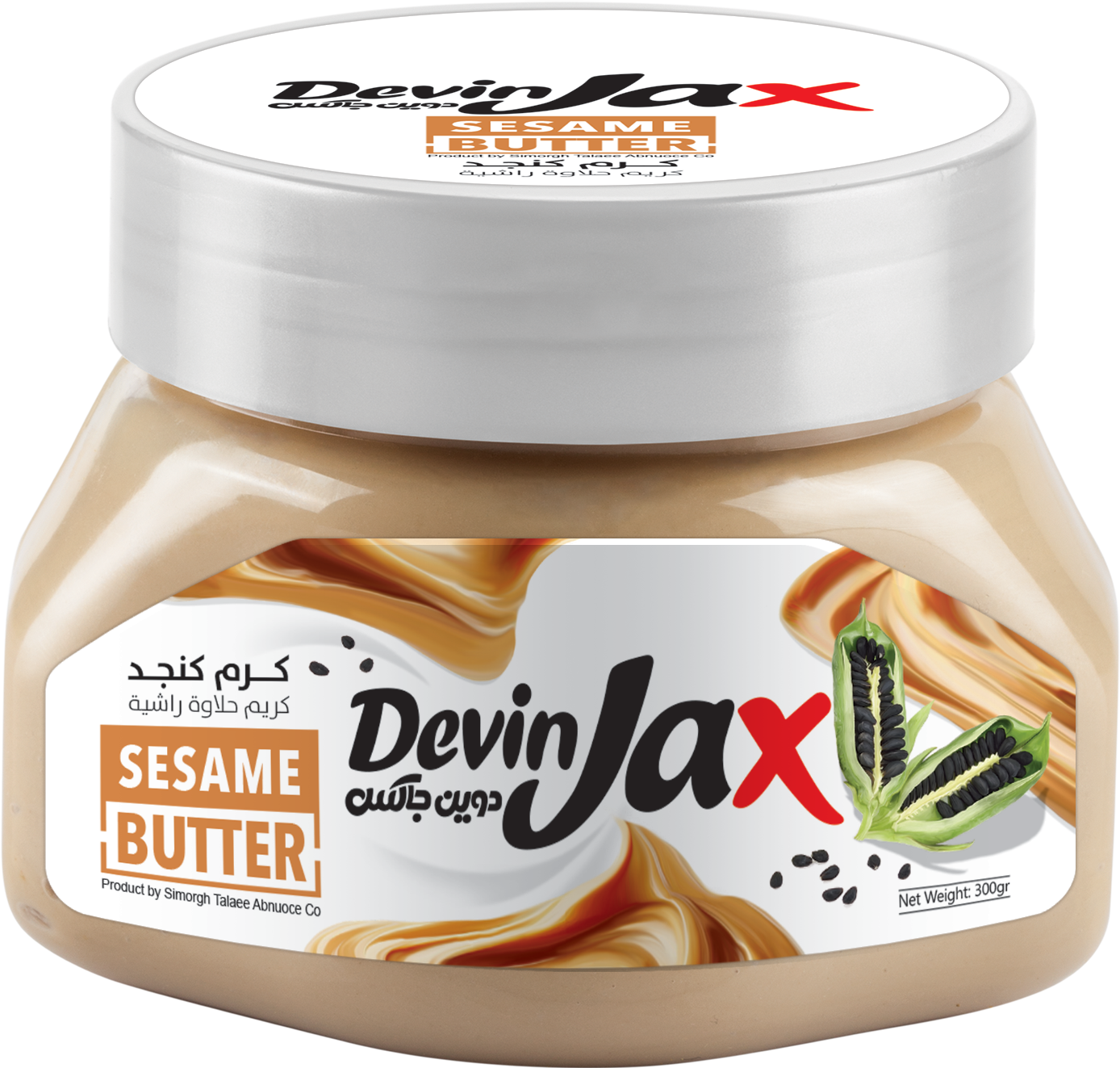
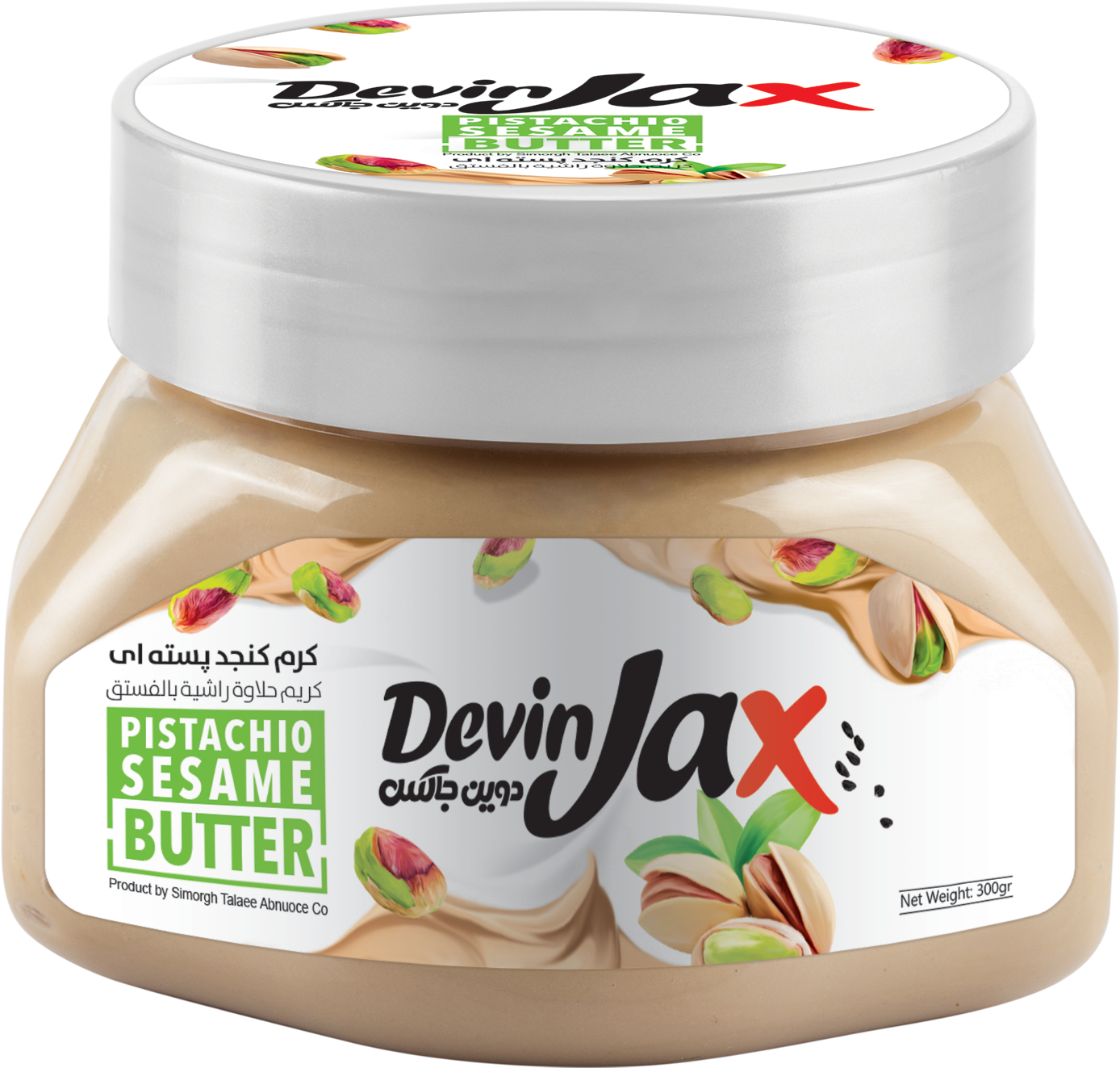
To order or ask about our products, contact the DevinJax team — we love bringing authentic flavor to your table.